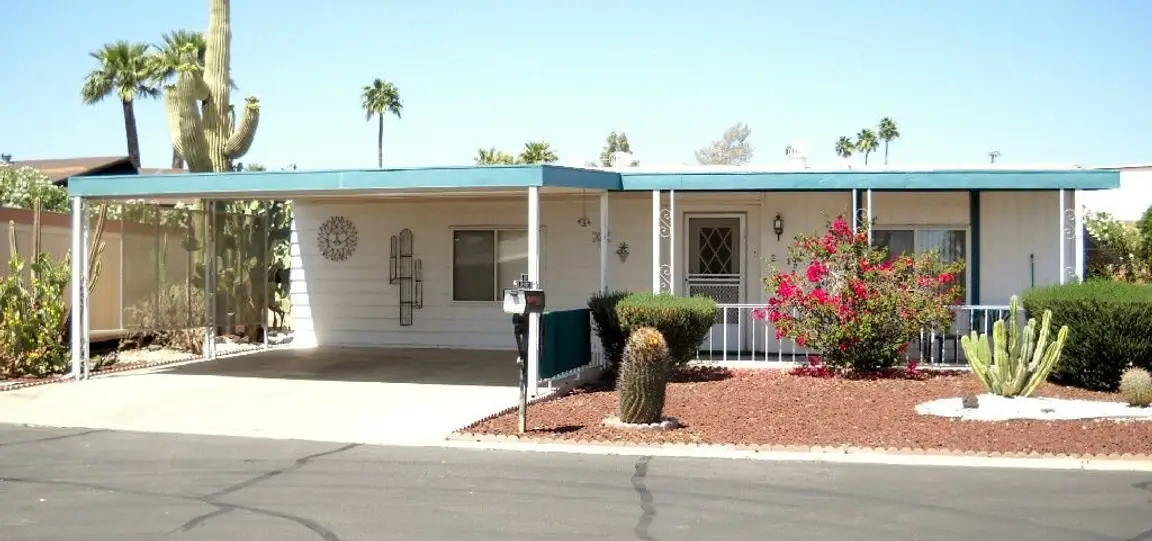

An empty home doesn’t stop costing you money just because no one’s living in it. Lot rent keeps coming due whether the home is occupied or not.
This is one of the most overlooked costs sellers deal with, mostly because it’s easy to put off thinking about until the total finally sinks in.
Why does lot rent keep accruing on a vacant home?
Because the park is charging for the land, not the occupancy. As long as the home sits on that lot, the bill keeps coming, regardless of whether anyone’s inside.
Parks operate on the same logic as any landlord: the space is reserved for your home, occupied or not, and the fee reflects that reservation, not usage. There’s no vacancy discount because the home isn’t generating activity.
This surprises a lot of sellers who assume that not living in the home somehow pauses the cost of owning it. It doesn’t.
How much does this actually add up to over time?
It depends on the specific park’s lot rent, but the math is simple: every month you wait is another payment on a home you’ve already decided to leave. Multiply that by however many months it’s been sitting there.
It’s worth actually doing this math for your specific situation rather than treating it as an abstract cost. Six months of lot rent on a home you’re not living in and don’t plan to move back into is money spent for nothing in return, and that number tends to be more persuasive than a general sense that you should probably deal with it eventually.
Write the actual number down. Seeing it in black and white tends to clarify the decision faster than thinking about it in the abstract.
What else can go wrong the longer a home sits empty?
Vacant homes are more prone to break-ins, vandalism, and deterioration nobody’s there to catch early. A small leak that goes unnoticed for months turns into a much bigger problem by the time someone finds it.
An occupied home has someone who notices when something’s wrong right away. An empty one doesn’t, which means small, cheap-to-fix problems have much more time to turn into expensive ones before anyone catches them.
Pipes, roofs, and pest issues are especially prone to this. What would have been a quick fix noticed early can become a much larger repair by the time anyone checks on the home.
Does waiting actually improve the sale price?
Rarely. A home doesn’t appreciate by sitting empty, and the deferred maintenance from being unoccupied usually works against you, not for you.
The idea that “waiting for the right time” will pay off is rarely true for a specific vacant home, even when it’s sometimes true for a broader market. The home itself is more likely to be quietly deteriorating than gaining value while it sits.
What’s the fastest way to stop the bleeding?
Sell it. A cash sale closes in days, not months, and once it’s sold, the lot rent clock stops being your problem.
The fastest way to stop paying for something you’re not using is to stop owning it, and a direct cash sale is the quickest legitimate way to get there.
If you’ve been sitting on the decision, this is your sign to make the call. (602) 641-3237 or penrodmobilehomes.com.